

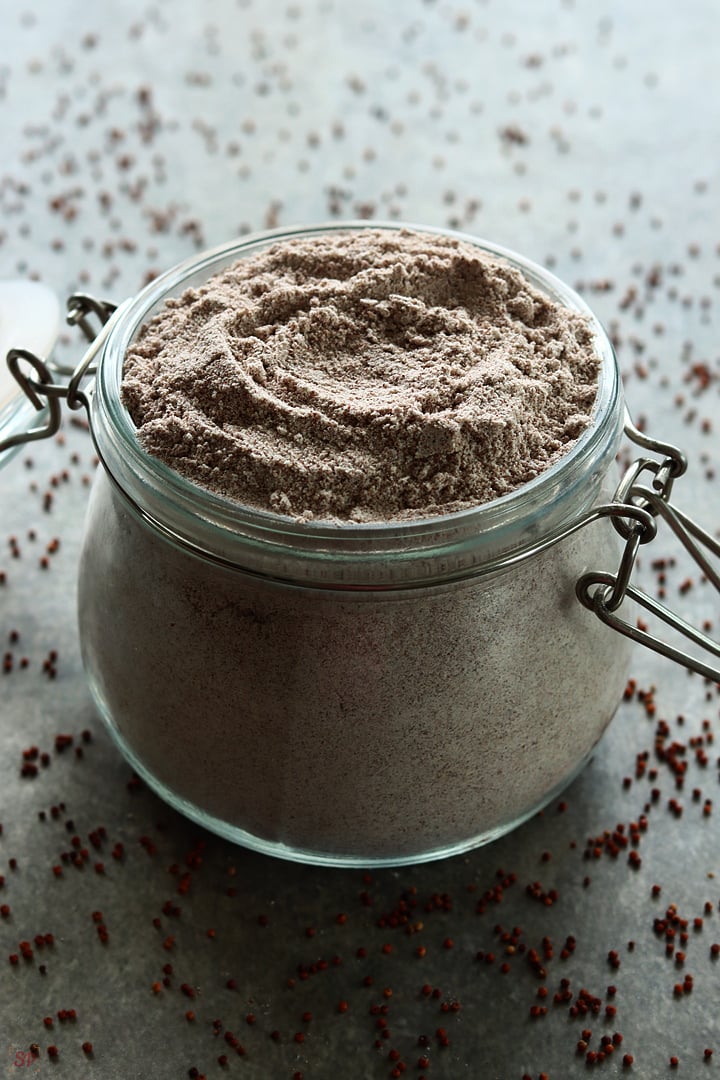
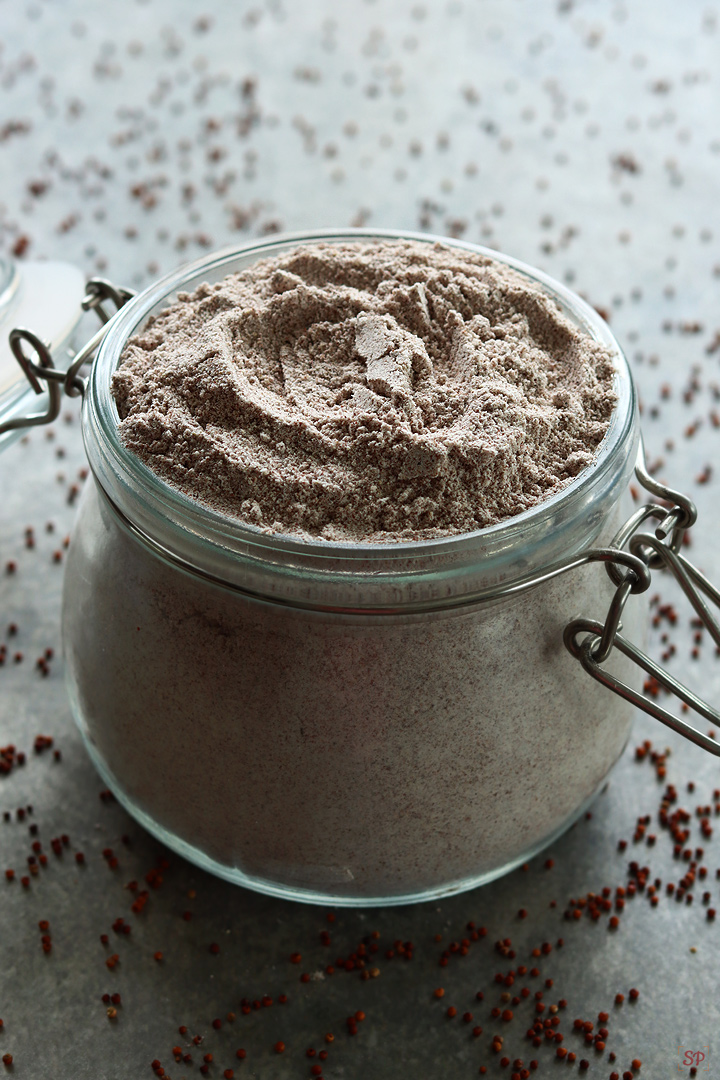
Ragi powder also known as ragi flour can be easily made at home. Homemade ragi powder is a nutritious, whole grain flour made at home by cleaning, washing, soaking, sprouting, drying and grinding ragi. It has a light brown color, a slightly nutty aroma and a mild earthy flavor.
Sprouted ragi flour is made by soaking and sprouting ragi (finger millet) grains before drying and grinding them. Sprouting increases the nutritional value, digestibility and taste of flour. It is especially popular for making baby food, porridge, malt beverages and breads due to its soft texture and superior taste.
jump to:
About Ragi Flour
Ragi is known as finger millet in English, in Kannada, Kezhavaragu or Kepai in Tamil, Ragulu in Telugu, Mandika in Hindi and Nachani in Marathi etc. Homemade ragi powder is nutritious and also very beneficial.
Ragi or finger millet is very nutritious and it is always said that the nutrition is doubled when the millet or bean is sprouted. I agree that making homemade flour takes time and effort, but let me tell you, I am sure that after making you will feel satisfied, happy and will never look back at store bought flour.
Ragi is an easily digestible millet so it is one of the first solid foods to be introduced to babies. Ragi is especially great for children and adults and it is no wonder that it is the first cereal given to babies. Preparing ragi flour at home ensures that it is pure, fresh and free from preservatives or additives.
Homemade ragi flour is rich in calcium, iron, fiber and amino acids, making it a great option for babies, children and adults. It is commonly used to prepare ragi porridge, dosa, idiyappam, laddus, malts and rotis, providing a nutritious, gluten-free base for various dishes.
ragi powder video
Homemade Ragi Powder Ingredients
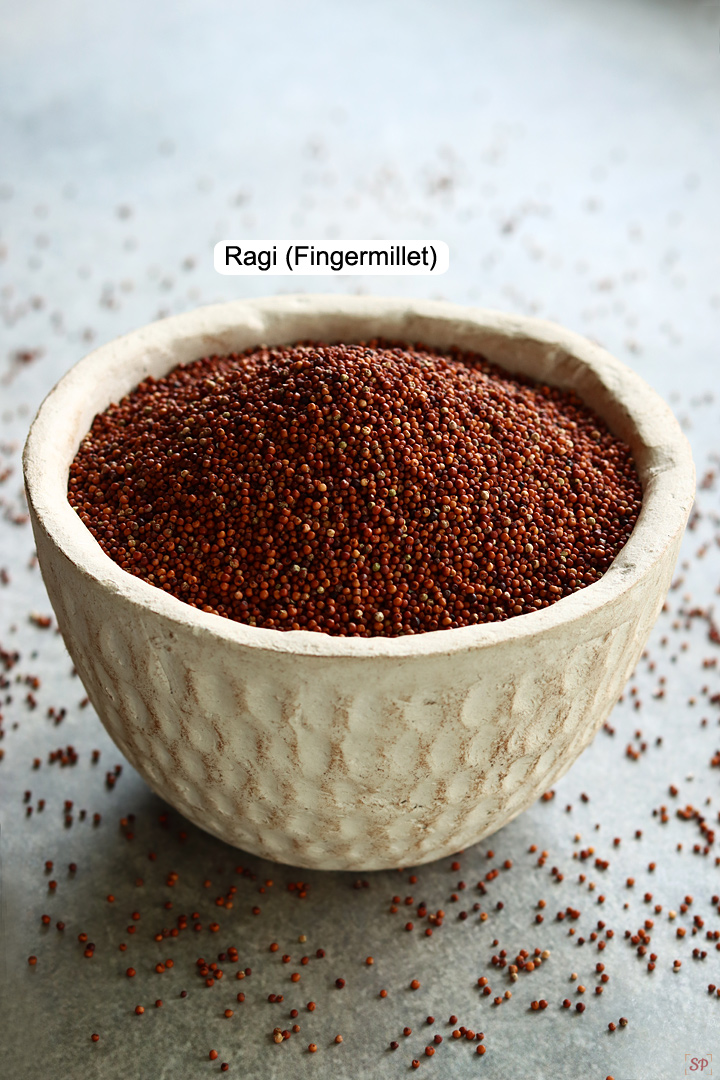
- Ragi – Ragi is popularly known in Kannada. Choose whole grains that are readily available in stores.
Ragi flour – 2 ways
Generally there are 2 methods of making millet flour at home:
- Method 1 – (in detail) – This is the method I shared here that takes a little more time but is worth the time and effort. To begin with in this method, first of all we remove all the blemishes from the millet, then wash the millet thoroughly until the water becomes clear, then soak it for a day, drain the water completely and then germinate it for a day or two. Then we fry it until it becomes completely dry, then fry it in a pan and finally make a powder out of it.
- Method 2 – (Quick and Instant) – This method comes in handy when you don’t have time to soak or germinate. Remove stains, wash millet thoroughly and drain the water completely. Dry it well in the sun and finally roast it and make powder.
Ragi Recipe
More Ragi Dishes
How to make homemade ragi flour step by step
1.Take ½ kg millet in a bowl.
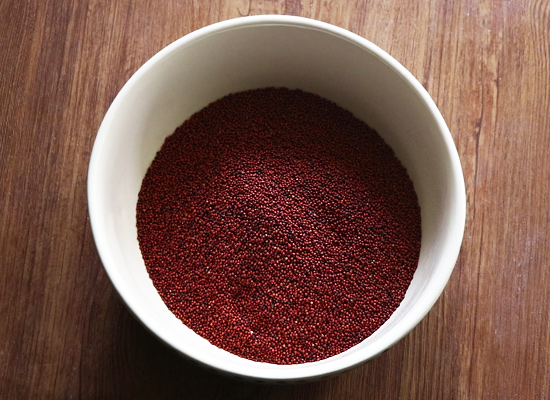
2. If there is any stain, remove it. You can also take it out by spreading it in a plate. Do it in batches.
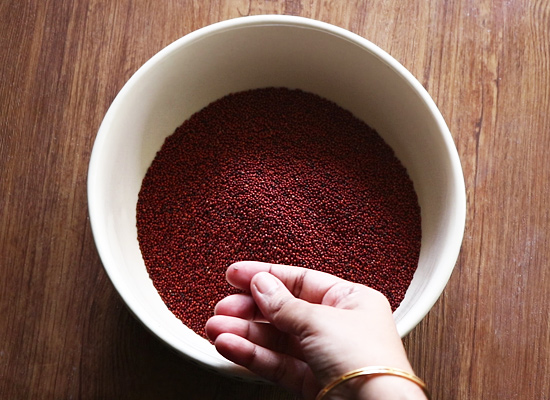
3.Remove spots
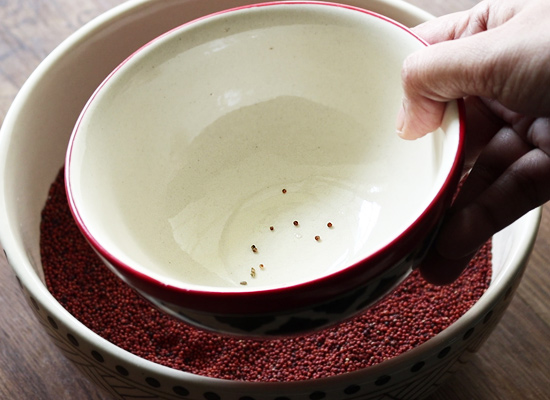
4.Add water and wash it thoroughly at least 2-3 times.
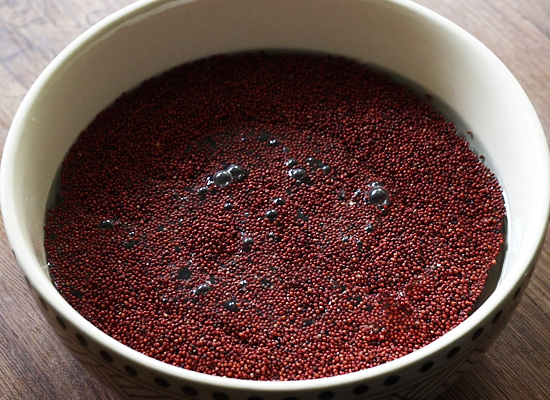
5. Drain the water and throw it away.
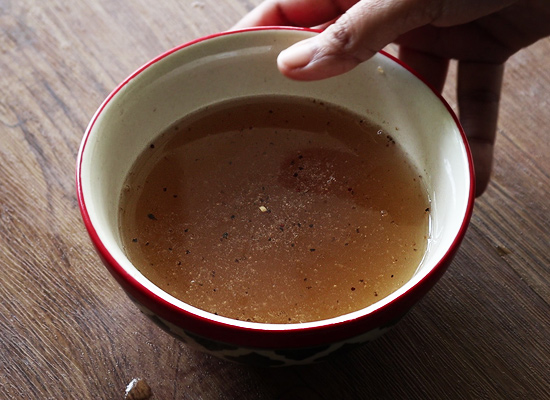
6.Wash thoroughly, drain until water runs clear.
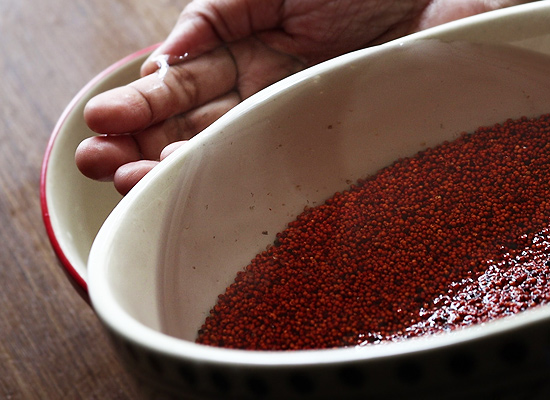
7.Discharged water is clean.
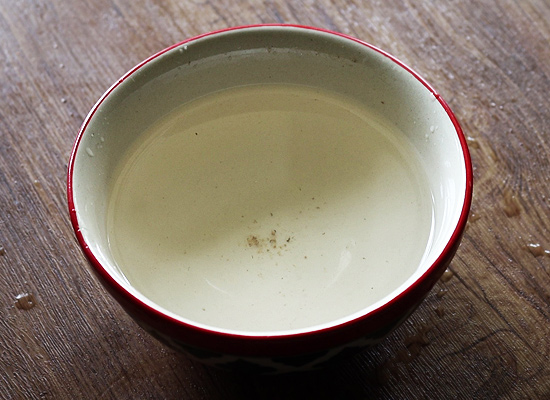
8. When you see clear water while rinsing, stop rinsing.
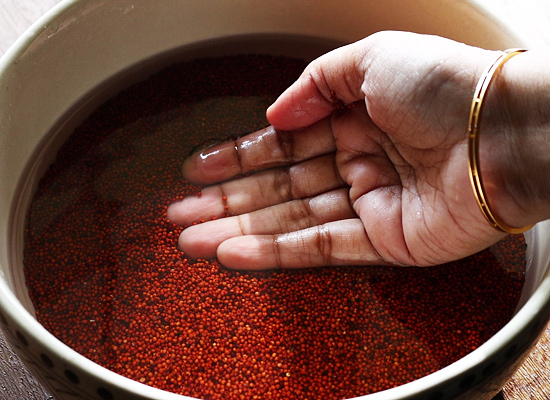
9.Now soak it in water.
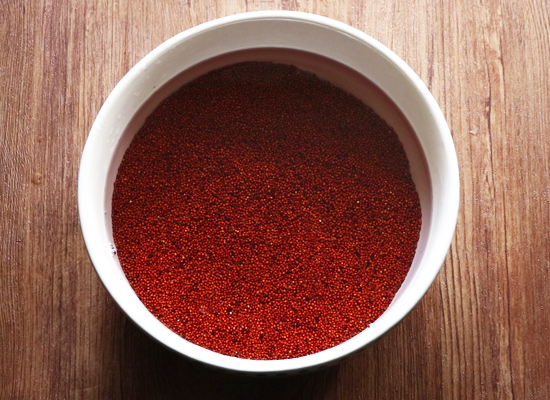
10.Cover and keep aside for at least 8 hours or overnight.
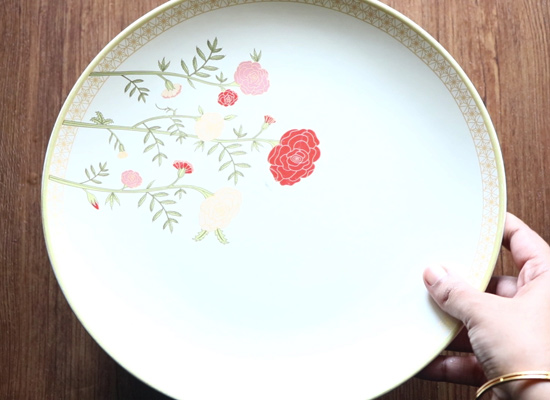
11. Wash it once more. Then drain the water completely.
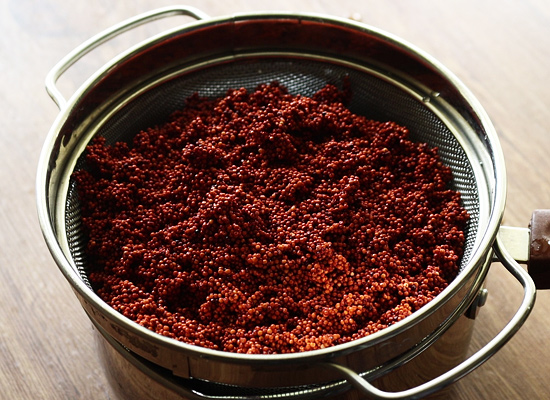
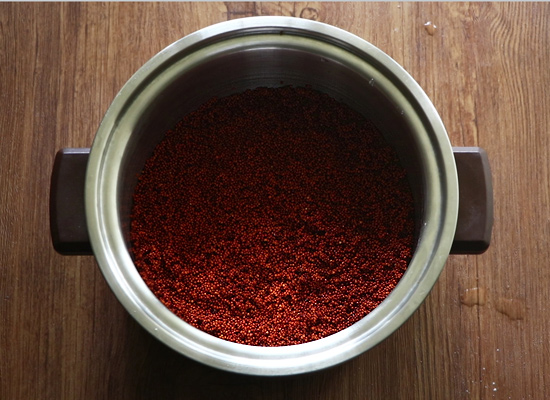
12. Put the millet in the hot container and spread it. You can also tie it in a cloth, squeeze out the excess water and place it in a colander. Germination is faster with a hot box.
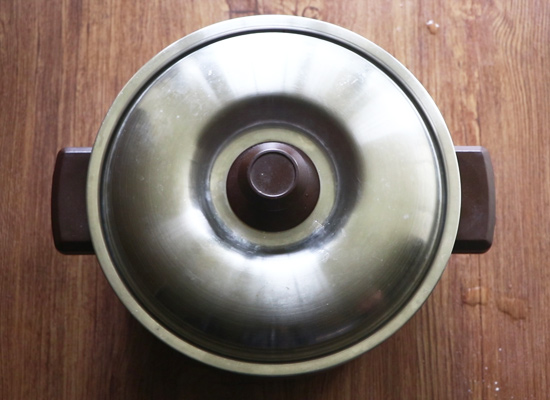
13.Close it tightly and keep aside for a day or at least 10 hours. You can also keep it in muslin cloth for germination.
14.This is the little sprout I found after 10 hours. If you want to get longer sprouts then you can rest for one more day but make sure that the millet does not get spoiled.
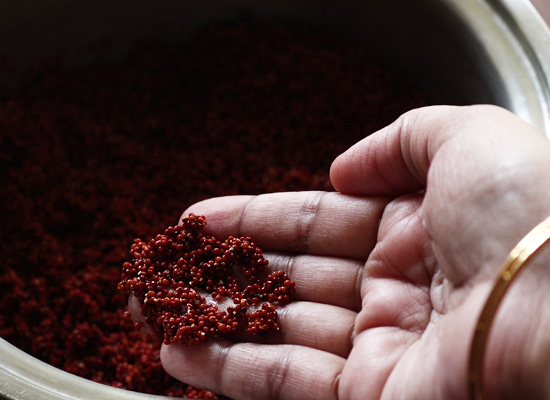
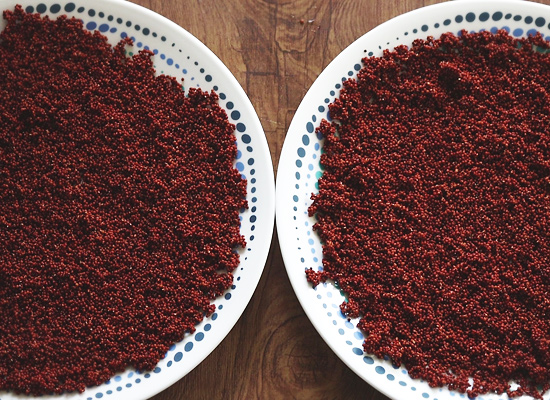
15. Spread it in a thin layer on a plate so that it dries easily. Dry in the sun for a day. Make a thin layer of it otherwise it takes time to dry. If the climate is very hot and the sun is scorching it will take only a few hours.
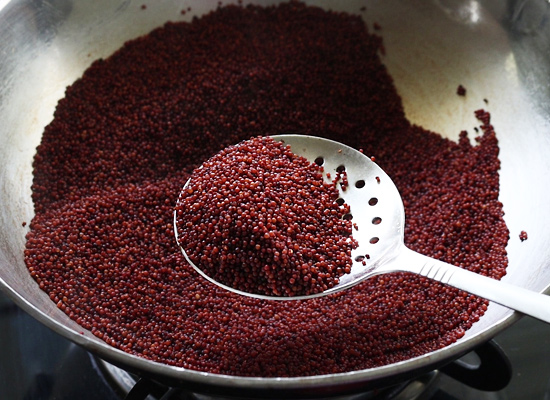
16. Add to the pan and dry roast for 5 minutes. I did it in 2 batches. You can skip this step and make a fine powder after drying it in the sun.
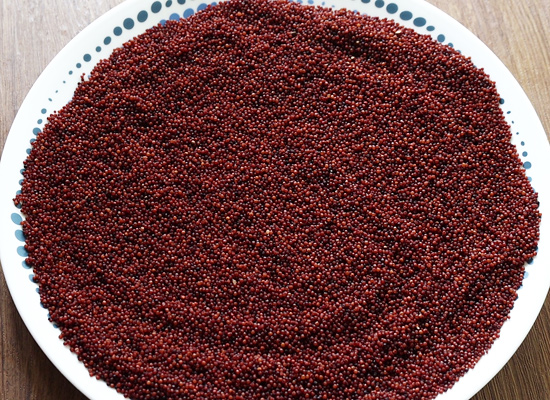
17. Spread it in a plate. Cool completely.
18.Finally grind it finely. Do this in batches to avoid overheating the mixer which will create moisture. But if you want, you can also sift the ragi flour if the flour is very thick. I don’t usually filter.
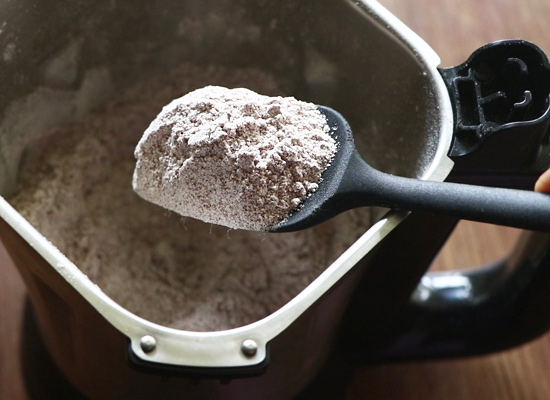
19. Spread it on a plate, then cool it completely and later store it in a clean dry jar.
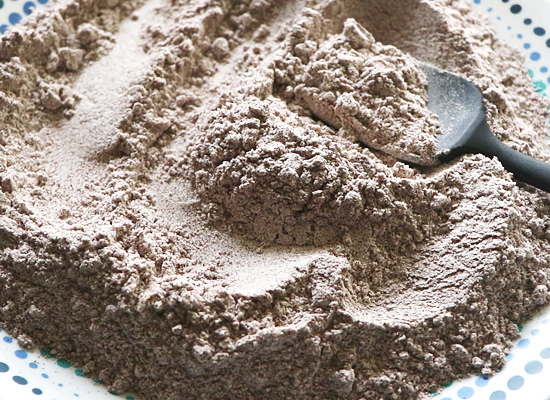
Homemade sprouted ragi flour is ready!
Expert Tips
- Cleaning – Always remove stones, husks and dust from ragi grains before washing.
- washing – Wash the grains 2-3 times in clean water to remove any dirt.
- germination – Soak for 8 hours and then wash once. Then drain the water completely and put it in a warm container to germinate. I only left it for small seedlings, if you leave longer the seedlings will be longer.
- drying – Dry thoroughly in the sun until there is no moisture left.
- roast – Make sure it is thoroughly dried before roasting and grinding. There should not be moisture while grinding, otherwise ragi flour can spoil quickly.
- grind – If it is a small batch then you can grind it in a mixer at home.
- strain – You can sift the ragi flour through a fine sieve. Then collect the coarse particles and grind again with the next batch.
storage
Homemade ragi powder stays good for about 3 months at room temperature. You can increase its shelf life by storing it in the refrigerator, it remains good for about a year in the refrigerator.
general questions and answers
1.Why do we need to germinate Ragi?
Sprouting doubles the nutritional value. Also, when sprouted flour is powdered, it is easily digestible, especially for infants and children.
2.How much quantity will we need to germinate Ragi?
I let it germinate only when its white stem starts peeking out, which is about 10 hours. For longer germination you can even germinate for a day.
3.Can I skip germination?
Yes, you can skip the germination part. Just wash the peel of millet properly, dry it, fry it and grind it to make a fine powder.
4.What is the difference between regular and sprouted ragi flour?
- Sprouted Ragi Flour: The grains are soaked, germinated, dried and then roasted and ground into a fine powder.
- Regular ragi flour- Made from clean, dried and ground grains.
5.Should sprouted ragi be roasted before grinding?
Roasting is optional but recommended. It enhances aroma, gives nutritious taste and prevents spoilage. For baby food, you can skip roasting to retain more nutrients.

If you have any further questions about this Ragi Flour Recipe Mail me at sharmispassions@gmail.com
Also, follow me Instagram, Facebook, pinterest ,youtube And Twitter ,
tried this Ragi Flour RecipeDo let me know how you liked it. Tag us @sharmispassions on Instagram and hash tag #sharmispassions.
📖 Recipe Card
Ragi Powder Ragi flour Ragi Recipe
Ragi powder also known as ragi flour can be easily made at home. Homemade ragi flour or ragi powder is a nutritious, whole grain flour made by cleaning, drying and grinding ragi at home. It has a light brown color, a slightly nutty aroma and a mild earthy flavor.
Instruction
-
Take ½ kg millet in a bowl.
-
If there is any stain, remove it. You can also take it out by spreading it in a plate. Do it in batches.
-
Discard the particle.
-
Add water and wash thoroughly.
-
Drain the water, discard. Rinse thoroughly, drain until water runs clear.
-
When you see clear water while rinsing, you can stop rinsing.
-
Now soak it in water.
-
Cover and refrigerate for at least 8 hours or overnight.
-
Wash it once more. Then drain the water completely.
-
Put the millet in the hot container and spread it. You can also tie it in a cloth, squeeze out the excess water and place it in a colander. Germination is faster with a hot box.
-
Close it tightly and keep aside for a day or at least 10 hours.
-
This is the little sprout I found after 10 hours. If you want to get longer sprouts then you can rest for one more day but make sure that the millet does not get spoiled.
-
– Spread it in a thin layer on a plate so that it dries easily. Dry in the sun for a day or two. Make a thin layer of it otherwise it takes time to dry.
-
Put in the pan and dry fry for 3-5 minutes. I did it in 2 batches.
-
– Spread it in a plate. Cool completely.
-
Finally powder it until it becomes fine. Do this in batches to avoid overheating the mixer, which will create moisture. I would not recommend filtering. But if the flour is very thick then you can sift it if you want.
-
Spread it on a plate, cool completely and then store in a clean dry jar.
-
Homemade ragi flour is ready!
Video
[embed]https://www.youtube.com/watch?v=j7lNzOga_gA[/embed]notes
- Cleaning – Always remove stones, husks and dust from ragi grains before washing.
- washing – Wash the grains 2-3 times in clean water to remove any dirt.
- sprouted – Keep it soaked for 8 hours and then wash it once. Then drain the water completely and put it in a warm container to germinate. I only left it for small seedlings, if you leave longer the seedlings will be longer.
- drying – Dry thoroughly in the sun until there is no moisture left.
- roast – Dry thoroughly before roasting and grinding. There should not be moisture while grinding, otherwise ragi flour can spoil quickly.
- grind – If it is a small batch then you can grind it in a mixer at home.
- strain – You can sift the ragi flour through a fine sieve. Then collect the coarse particles and grind again with the next batch.
nutrition Facts
Ragi Powder Ragi flour Ragi Recipe
Quantity per serving (125 grams)
calories 820 Calories from Fat 27
% daily value*
thick 3g5%
saturated fat 1 g6%
Polyunsaturated Fat 1 g
Monounsaturated Fat 2g
sodium 28 mg1%
potassium 1020 mg29%
carbohydrate 180 grams60%
protein 18 g36%
calcium 860 mg86%
Iron 10 mg56%
*Percent Daily Values are based on a 2000 calorie diet.
