

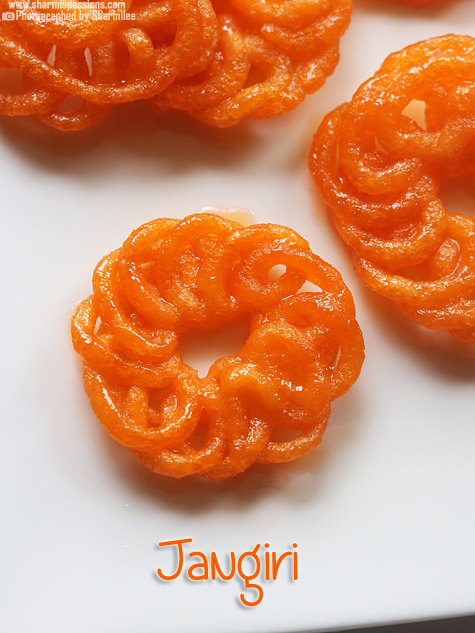
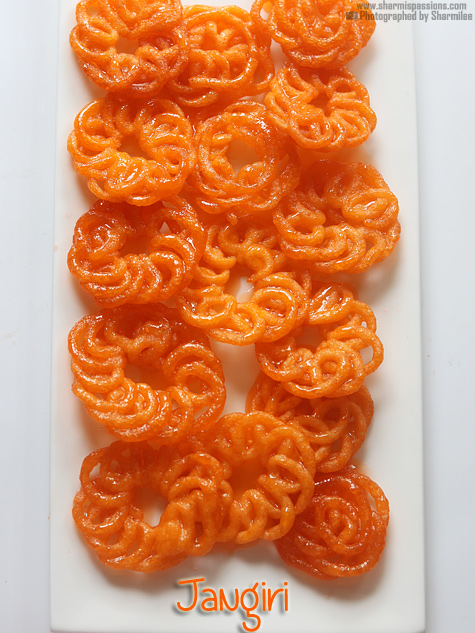
Jangri is a crisp and soft sweet which has a beautiful bright orange and shiny color which makes it very attractive on any festive table. It is made by squeezing a smooth paste of urad dal in hot oil and soaking it in sugar syrup. This makes the Jangri crispy on the outside, softer and chewier on the inside.
It has a slight crunch when you bite into it and soon softens with the sweetness of the syrup. It is often prepared during family gatherings or special festivals when we want to make something classic and beautiful. Although it sounds difficult, with a little patience and the right consistency it really does get done.
jump to:
about rust
Jangri is a very old South Indian sweet that many of us have grown up seeing in sweet shops kept in glass containers. Sometimes it is confused with Jalebi but both are different in taste and ingredients. Jangri is made using urad dal batter while jalebi is made using flour and fermented batter.
The sugar syrup gives the Jangri its main sweetness, it should be slightly sticky and fragrant with the addition of rose juice or cardamom. The color is usually bright orange which looks beautiful and festive. Its texture is soft, juicy and if soaked properly, it remains that way for many hours.
It has seen many minor variations over time, with some people adding a little rice flour for extra crunch, while some add ghee to the syrup for more aroma. Some people make them small in size and some prefer larger round shapes. The method remains almost the same but what matters is the consistency of the batter and syrup which decides the final result.
I usually prepare Jangri when I have some relaxing weekend or when we plan to get together with family. It takes a little time and focus but watching those golden rings float and soak in the syrup is such a joy.
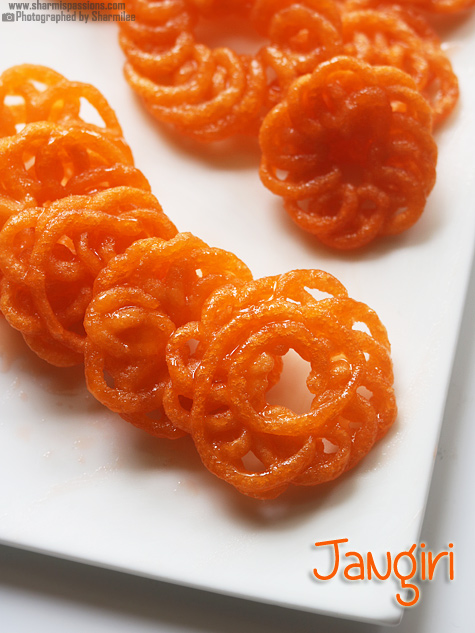
rust material
- urad dal – I have used whole urad dal without skin, it gives a soft and fluffy texture to the batter. You can also use split urad dal but the batter will not be as smooth.
- Idli Rice – I add some idli rice to the Jangri to give it a slight crispiness and help it retain its shape. You can leave it out if you prefer a softer texture.
- orange food coloring – I use it to give bright traditional color. You can omit or use natural food coloring like saffron water.
- Sugar – I add white sugar to the syrup, it gives a glossy shine and slight sweetness. For an earthy taste you can try the jaggery syrup version.
- rose essence – I add a few drops to the syrup to give a pleasant floral scent. If you want a more Indian touch you can use cardamom powder.
- lemon juice – I add it to the syrup to prevent crystallization and keep the syrup smooth. You can also use vinegar in very small quantities.
- Oil – I have used refined oil for frying. You can add some ghee to it for additional taste and aroma.
Why does this recipe work
- The recipe is simple once you understand the consistency of the batter and syrup.
- Jangri remains soft and juicy for a long time as the syrup is coated evenly.
- You can control the sweetness and color as per your choice.
- Urad dal gives a very spongy and light texture from inside.
- This is a good dessert to prepare in advance and serve on any special meal or festival.
similar recipe
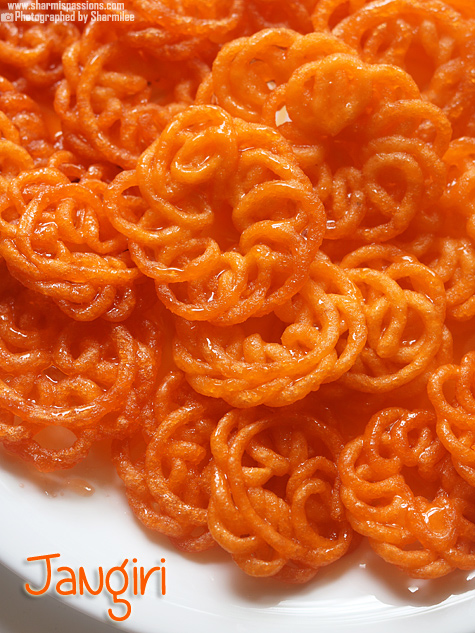
How to make Jangri step by step
1.Wash rice and urad dal twice and soak for 2 hours.
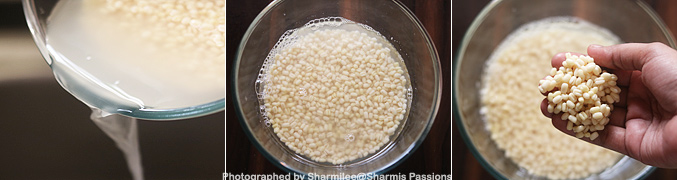
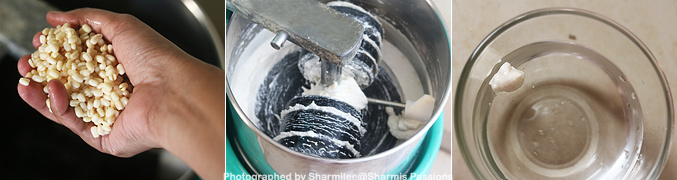
2.Then grind it in a wet grinder with very little water. Make a thick batter like medu vada batter. Scrape down the sides from time to time. Grind it for at least 30-40 minutes. When you take a pinch of batter and drop it into water, it should float, that’s the right consistency. The batter should be exactly like butter, absolutely smooth and light.
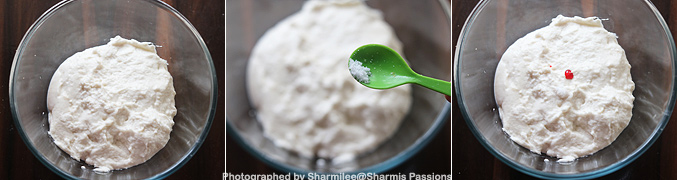
3. Make sure the batter is puffy and smooth. Take a mixing bowl, add salt and food color to it. Keep aside.
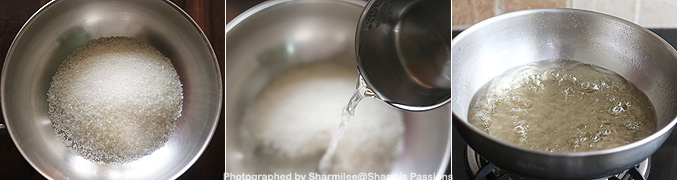
4. Simultaneously make sugar syrup – take sugar in a wide bottomed pan, add water to it and let it boil. When it becomes thick and sticky start checking the consistency of the string. When it is half string, i.e. it will start making the 1st string but will not stick, this is the stage we are looking for, switch off.
5. Mix rose essence and food color.
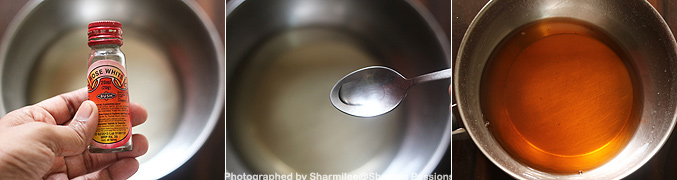
6.Then add lemon juice to it and keep it aside. The syrup will be sticky, it will thicken with time, we are adding lemon juice to avoid crystallization. Now get ready with your piping bag or zip lock cover or Jangiri cloth. Amma had given this cloth but I was comfortable using only zip lock so used this.
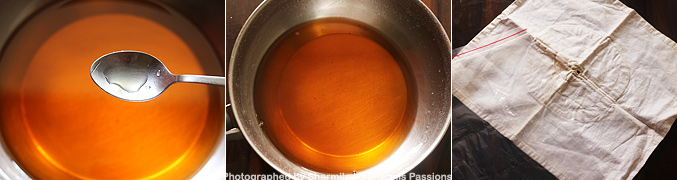
7. Mix the batter well so that the color and salt mix evenly. Take a zip lock cover and fill it with batter, make a small hole.
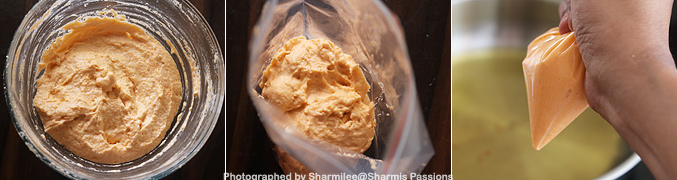
8.First I tasted it in a plate, it’s not bad right?! Heat the oil, the temperature of the oil is very important, it should not be smoking, it should be hot. Squeeze and create patterns, don’t overcrowd.
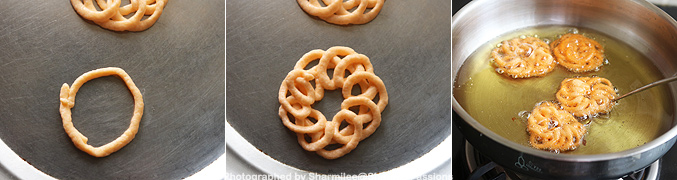
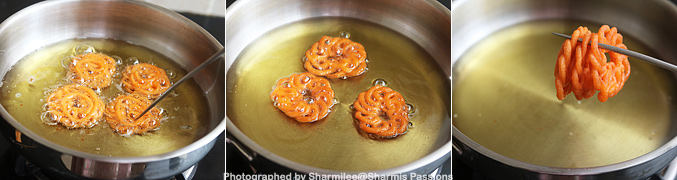
9.I used my paniyaram ladle to turn. You can also use wicker or wooden chopsticks. Flip and cook. Deep fry until slightly crisp on both sides but the color should not change. Filter and remove from oil.
10. Immediately lower into hot syrup for 3-5 minutes for each batch, then drain and place on a plate. Keep repeating this process until all the batter is used up. Finally after all the Jangiris are fried, you can pour the remaining syrup over the Jangiris.
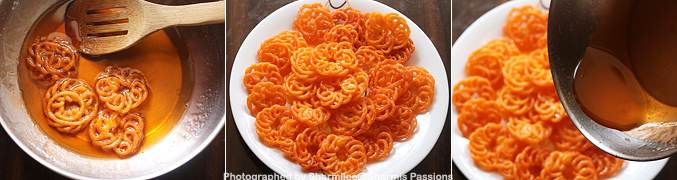
enjoy!
Expert Tips
- Batter consistency – The batter should be thick but smooth, it should float when added to water. This is the key to good Jangri.
- oil temperature – Keep the oil hot but do not smoke. I usually lower the flame while making shapes and slightly increase the flame while frying.
- syrup texture -Make sure the syrup should be half string. If the Jangri is thick then it will not get wet properly, if the Jangri is thin then it will get wet.
- drawing shapes – If you are not confident, practice on a plate first, then try in oil. Even if the shape is not correct, the taste will remain the same.
- soaking time – Keep each batch in the syrup for 3 to 5 minutes. I turn them once or twice to absorb the syrup evenly.
serving and storage
Serve Jangri as a sweet dish after meal or with evening tea. It looks beautiful in a serving plate and can also be packed as a homemade gift. After the remaining Jangri cools completely, store it in an airtight container. It remains good for 2 to 3 days at room temperature or you can also keep it in the refrigerator for a few days. If kept in the fridge, warm it a little before serving to get the same soft fresh taste again.
general questions and answers
1.Can I make Jangdi without food colour?
Yes, you can use saffron or turmeric water for a lighter natural color, although the traditional bright orange color will be missing.
2.Why is my Jangri not soft?
It is possible that the syrup may have become too thick or the batter may have been over-whipped. Try using half the syrup next time.
3.Can I grind the batter in a mixer instead of a grinder?
Yes, you can, but the texture may be a little rough. If using a mixer, add a few drops of water at a time and grind patiently.
4.Can I make Jangdi a day before serving?
Yes, you can prepare it a day before and keep it covered. In fact it tastes better the next day because the syrup sets well.
5.Why did my bangles get out of shape in oil?
The batter may be loose or the oil may be too hot. Make the batter a little thick and control the flame while frying.
If you have any further questions about this Jangri Recipe Mail me at sharmispassions@gmail.com. Also, follow me Instagram, Facebook, pinterest ,youtube And Twitter ,
tried this Jangri RecipeDo let me know how you liked it. Tag us @sharmispassions on Instagram and hash tag #sharmispassions.
📖 Recipe Card
Jangri recipe Jangiri Recipe
Jangri is a crisp and soft sweet which has a beautiful bright orange and shiny color which makes it very attractive on any festive table. It is made by squeezing the smooth paste of urad dal in hot oil and soaking it in sugar syrup. This makes the Jangri crispy on the outside, softer and chewier on the inside.
Material
- one and a half cup whole urad dal
- one and a half tablespoon Idli Rice
- a small Pinch Salt
- Some? He goes away orange food coloring
for syrup
- ¾ cup Sugar
- one and a half cup Water
- Some? He goes away rose essence
- Some? He goes away orange food coloring
- one and a half small spoon lemon juice
Instruction
Making Jangri Batter:
-
Wash rice and urad dal twice and soak for 2 hours. Then grind it in a wet grinder with very little water.
-
Make a thick batter like medu vada batter. Scrape down the sides from time to time. Grind it for at least 30-40 minutes. When you take a pinch of batter and drop it into water, it should float, that’s the right consistency. The batter should be exactly like butter, very smooth and light.
-
Take a mixing bowl, add salt and food color to it. Cancel.
Making Sugar Syrup:
-
Take sugar in a wide bottomed pan, add water in it and let it boil. When it becomes thick and sticky start checking the consistency of the string. When it is half stringed (meaning it will start to form a string but will not stand up), switch off.
-
Mix rose essence and food color. Then add lemon juice and keep aside. The syrup will be sticky, it will thicken with time, we are adding lemon juice to avoid crystallization.
Making Jangri:
-
Now get ready with your piping bag or zip lock cover or battle cloth.
-
Mix the batter well to mix the color and salt evenly. Take a zip lock cover and fill it with batter, make a small hole.
-
Heat the oil, the temperature of the oil is very important, it should not be smoking, it should be hot. Squeeze and create patterns, don’t overcrowd.
-
I used my paniyaram ladle to flip. You can also use wicker or wooden chopsticks. Turn and cook. Deep fry until slightly crisp on both sides but the color should not change. Filter and remove from oil.
-
Immediately lower into hot syrup for 3-5 minutes for each batch, then drain and place on a plate. Keep repeating this process until all the batter is used up. Finally after all the Jangiris are fried, you can pour the remaining syrup over the Jangiris.
-
If you are making Jangri for Diwali then offer Jangri to God and enjoy!
notes
- Batter consistency – The batter should be thick but smooth, it should float when added to water. This is the key to good Jangri.
- oil temperature – Keep the oil hot but do not smoke. I usually lower the flame while making shapes and slightly increase the flame while frying.
- syrup texture -Make sure the syrup should be half string. If the Jangri is thick then it will not get wet properly, if the Jangri is thin then it will get wet.
- drawing shapes – If you are not confident, practice on a plate first, then try in oil. Even if the shape is not correct, the taste will remain the same.
- soaking time – Keep each batch in the syrup for 3 to 5 minutes. I turn them once or twice to absorb the syrup evenly.
nutrition Facts
Jangri recipe Jangiri Recipe
Quantity per serving (25 grams)
calories 36 calories from fat 1
% daily value*
thick 0.1 g0%
saturated fat 0 grams0%
Polyunsaturated Fat 0 g
Monounsaturated Fat 0.001 grams
sodium 1mg0%
potassium 1mg0%
carbohydrate 8 g3%
fiber 1 g4%
sugar 6 grams7%
protein 1 gram2%
Vitamin A 0.2IU0%
vitamin C 0.2 mg0%
Calcium 3mg0%
Iron 0.3 mg2%
*Percent Daily Values are based on a 2000 calorie diet.
