

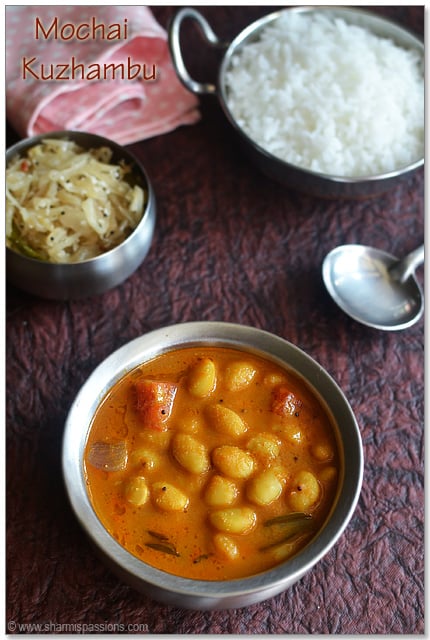
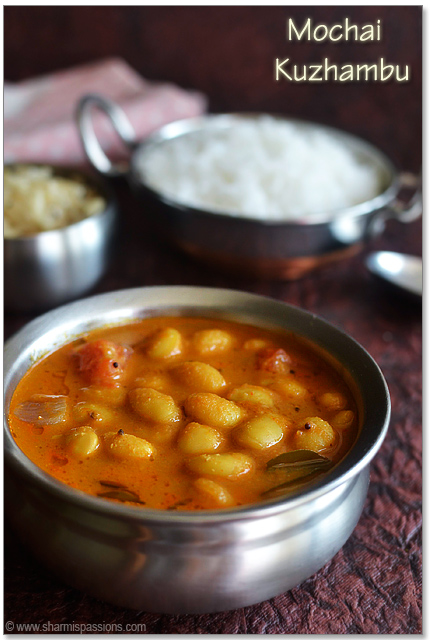
Mochai Kulambu is a spicy gravy made by cooking mochai (hyacinth beans) with tamarind extract, ground spices, onions and tomatoes. Mochai Kulambu is a good alternative to regular Kuzhambu to try at home when we run out of stock of vegetables. Learn how to make Mochai Kuzhambu recipe with step by step pictures.
Mochai Kulambu is a very tasty curry made from field beans, we also call it Mochai Kara Kuzhambu. I love to eat stir fry with rice and any vegetable, today I made cabbage stir fry. Must try this Mochai Kulambu and enjoy!
jump to:
About Mochai Kulambu
Mochai Kulambu is a spicy side dish that is perfect to have with rice, idli dosa etc. It does not spoil easily and remains good even for 2 days.
Mochai Kulambu is a typical South Indian dish that pairs well with boiled rice and any lightly fried dish. A variety of dried beans are now widely available in many department stores, so stock up and use them whenever you want. You can use fresh beans or try this recipe with other beans like kermani, soybean etc.
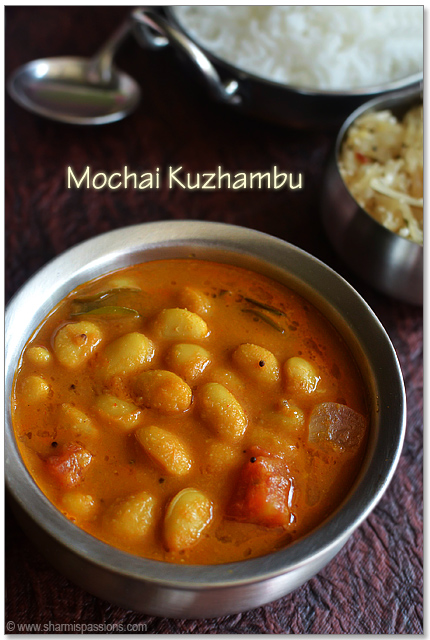
Mochai Kulumbu Ingredients
- Mochai (field beans) -Dried field beans are used for this curry.
- Tamarind – Tamarind is used for spicy taste.
- Onion, Tomato – Onions are also used as a spice paste by frying tomatoes.
- Masala Powder – Red chilli powder and coriander powder are used.
- Masala Paste – Fry small onion, tomato garlic, coriander seeds, coconut and fennel seeds in oil and grind them to make a paste.
- tempering – Oil is heated, tempering of mustard seeds, urad dal, fenugreek seeds, asafoetida and curry leaves is applied.
similar recipe
How to make Mochai Kolumbu step by step
1.Soak the beans in water overnight or for at least 8 hours. Soak tamarind in hot water and take out its thick pulp.
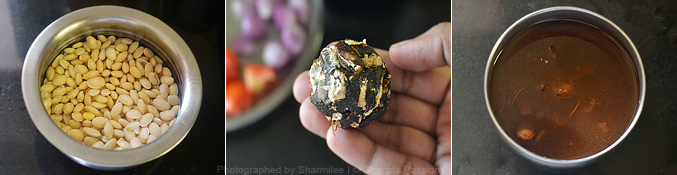
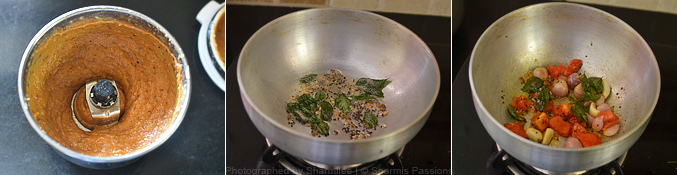
2. Pressure cook the beans for 5-6 whistles or until they become soft. Cancel. Heat oil in a pan – fry the ingredients listed under ‘To roast and grind’ and grind it with coconut and fennel seeds.
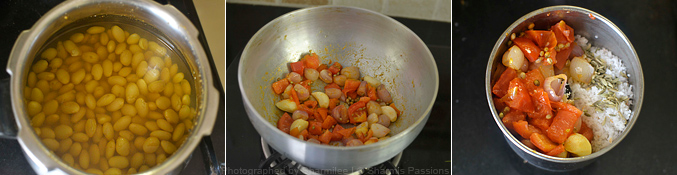
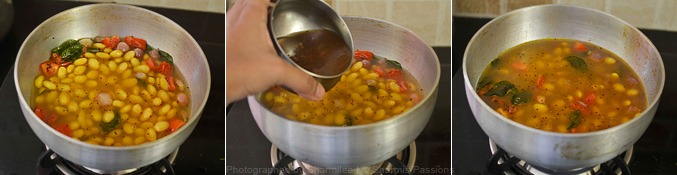
3. Grind it to make a fine paste and keep it aside. Heat oil in a pan – add the ingredients listed under ‘For seasoning’, let it splutter, then add onion, tomatoes and garlic and fry until the raw smell of tomatoes goes away.
4.Then add cooked beans with water, then add tamarind pulp. Let it boil for a few minutes or until the raw smell of tamarind comes out. Add salt as required.
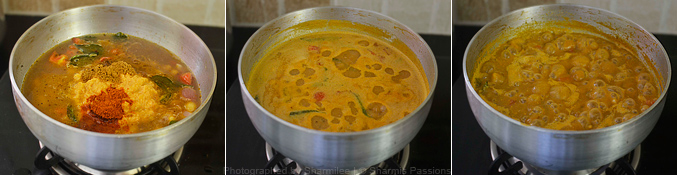
5. Then add coconut paste along with red chilli powder, coriander powder and necessary salt. If the mixture is too thick then add ½ cup water. – Let it boil for 5-10 minutes until the oil separates. By boiling a little more, the vegetable becomes thick and tasty too. Switch off when desired consistency is achieved.
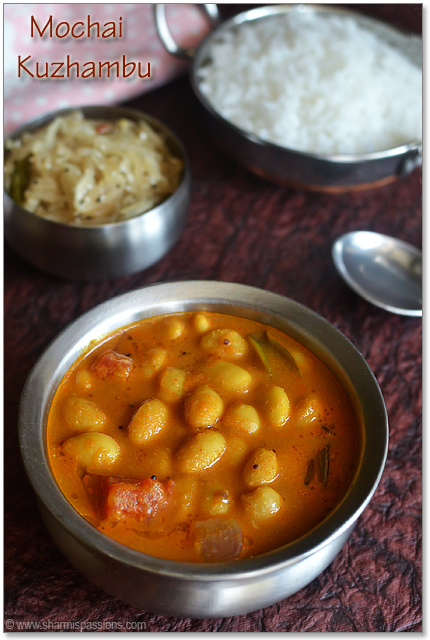
Serve hot with rice, can also be served with dosa and idli!
Expert Tips
- You can also add other vegetables like brinjal, drumstick etc. with mochai. You can also use fresh beans for this recipe.
- Boiling for a longer time improves the taste of the gravy.
- Allow at least 30 minutes for the mochai to absorb the curry properly. Also this Kujambu thickens with time so adjust accordingly and stop.
- While seasoning, you can also add cinnamon and cloves instead of mustard and urad dal.
serving and storage
Mochai Kulambu can be served with rice, roti etc. This curry keeps well in the refrigerator for up to 2 days, reheat and serve.
If you have any further questions about this Mochai Kuzhambu Recipe Mail me at sharmispassions@gmail.com. Also, follow me Instagram, Facebook, pinterest ,youtube And Twitter .
tried this Mochai Kulambu Recipe? Do let me know how you liked it. Tag us @sharmispassions on Instagram and hash tag #sharmispassions.
📖 Recipe Card
Mochai Kuzhambu Recipe
Mochai Kulambu is a spicy gravy made by cooking mochai (hyacinth beans) with tamarind extract, ground spices, onions and tomatoes. Mochai Kulambu is a good alternative to regular Kuzhambu to try at home when we run out of stock of vegetables. Learn how to make Mochai Kuzhambu recipe with step by step pictures.
Material
For roasting and grinding:
- 1 small spoon Oil
- ¼ cup small onion
- 1 and ½ Tomato
- 5 cloves Garlic
- 1 small spoon coriander seeds
- ¼ cup tightly packed coconut
- 1 small spoon fennel seeds
To get angry:
- 1 tablespoon Oil
- 1 small spoon Mustard
- one and a half small spoon urad dal
- ¼ small spoon Fenugreek
- 1 generous Pinch hing
- Some? Curry leaf
- 8 small onion
- one and a half Tomato
- 4 cloves Garlic
Instruction
-
Soak the beans in water overnight or for at least 8 hours. Soak tamarind in hot water and take out its thick pulp.
-
Pressure cook the beans for 5-6 whistles or until they become soft. Cancel. Heat oil in a pan – fry the ingredients listed under ‘To roast and grind’ and grind it with coconut and fennel seeds.
-
Grind it finely and make a paste, keep it aside. Heat oil in a pan – add the ingredients listed under ‘For seasoning’, let it splutter, then add onion, tomatoes and garlic and fry until the raw smell of tomatoes goes away.
-
Then add cooked beans with water, then add tamarind pulp. Let it boil for a few minutes or until the raw smell of tamarind comes out. Add salt as required.
-
Then add coconut paste, red chili powder, coriander powder and salt as required. If the mixture is too thick then add ½ cup water. – Let it boil for 5-10 minutes until the oil separates. By boiling a little more, the vegetable becomes thick and tasty too. Switch off when desired consistency is achieved.
-
Serve hot with rice, can also be served with dosa and idli!
notes
- You can also add other vegetables like brinjal, drumstick etc. with mochai. You can also use fresh beans for this recipe.
- Boiling for a longer time improves the taste of the gravy.
- Allow at least 30 minutes for the mochai to absorb the curry properly. Also this Kujambu thickens with time so adjust accordingly and stop.
- While seasoning, you can also add cinnamon and cloves instead of mustard and urad dal.
nutrition Facts
Mochai Kuzhambu Recipe
Quantity per serving (75 grams)
calories 373
Calories from fat 135
% daily value*
thick 15g23%
saturated fat 4g25%
Trans Fat 0.04 grams
Polyunsaturated Fat 3g
Monounsaturated Fat 7 grams
sodium 2008mg87%
potassium 1152 mg33%
carbohydrates 55 grams18%
fiber 14 grams58%
sugar 18 grams20%
protein 12 grams24%
Vitamin A 1724iu34%
vitamin C 235 mg285%
Calcium 210 mg21%
Iron 5 mg28%
*Percent Daily Values are based on a 2000 calorie diet.
